
TYPE 1 & TYPE 2 REQUIREMENTS
The most significant EN 397 update in 30 years: shifting from industrial safety helmets to industrial protective helmets for broader hazards and use cases (slips/trips/falls).
- EN 397:2025/AC:2025 Type 1: On-crown impacts only (49 J), chinstrap optional >150 N (15 kg). NEW
- EN 397:2025/AC:2025 Type 2: Higher on-crown (98 J) and off-crown impacts added (24 J), mandatory chinstrap >500 N (50 kg), retention system effectiveness. NEW
- Special Application Requirements (formerly Optional Requirements): Brings a broader range of requirements for workers in specific applications. NEW
- Design and Accessory Compatibility: Accessories must be tested with the helmet (visors, earmuffs, headlamps, badge holders, etc.). NEW
With the entry into force of EN 397:2025/AC:2025, EN 12492:2012 will no longer be relevant for industrial applications.
SPECIAL APPLICATION REQUIREMENTSNOT MANDATORY
APPLY TO BOTH TYPE 1 AND TYPE 2 HELMETS:
- Low temperatureupgraded
- High temperatureupgraded
- Electrical insulation (EN 50365:2023, 4.3 reference)upgraded
- Molten metal splash resistanceno changes
- Electrostatic propertiesNEW
- Enhanced visibility in daylight (fluorescent shell)NEW
- Enhanced visibility in dark conditions (reflective elements)NEW
- Off-crown penetration resistanceNEW
DESIGN & ACCESSORY COMPATIBILITY
- Both integral and non-integral protective functions must not compromise helmet conformity.
- User instructions must list all accessories the helmet was tested with.
- Helmet Positioning Index (HPI) must be declared to testing laboratory.
ATTENTION
Helmets certified according to EN 397:2012 that have already been placed on the market and those already in use remain valid for the entire service life specified by the manufacturer, calculated from the date of manufacture.
MANDATORY REQUIREMENTS
TYPE 1
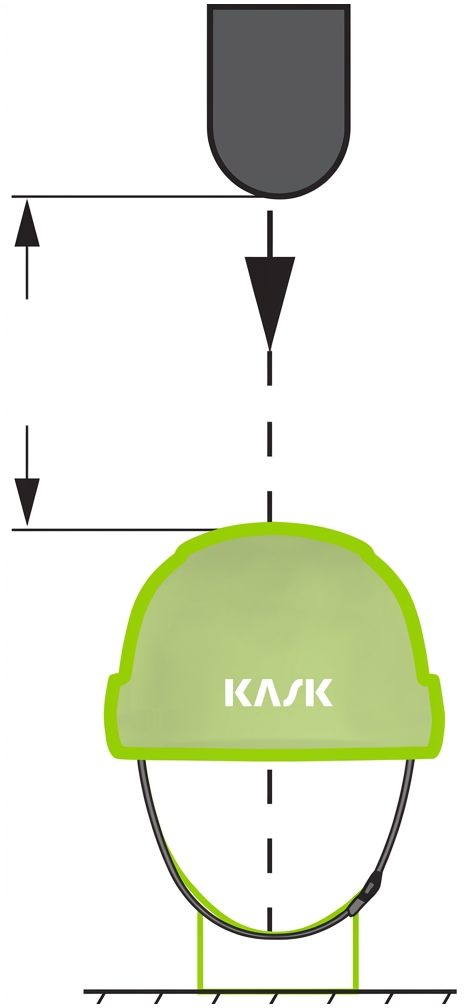
TYPE 2
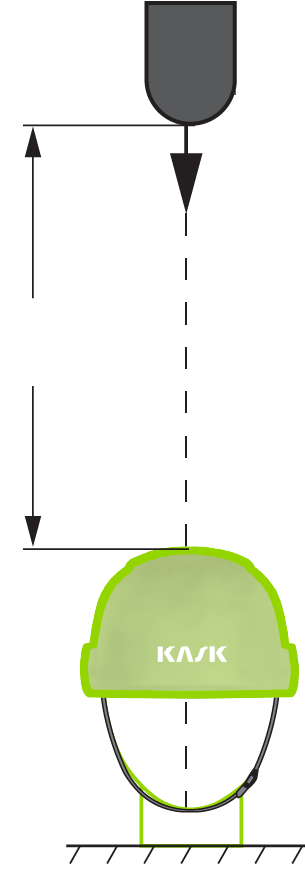
TYPE 1
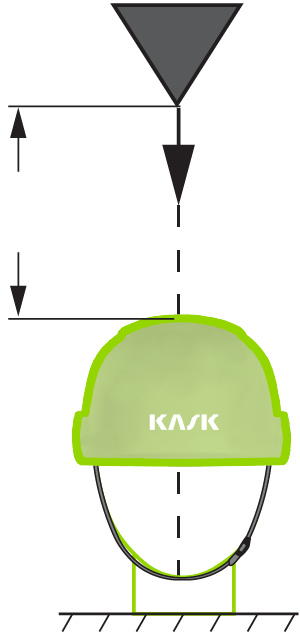
TYPE 2
TYPE 1
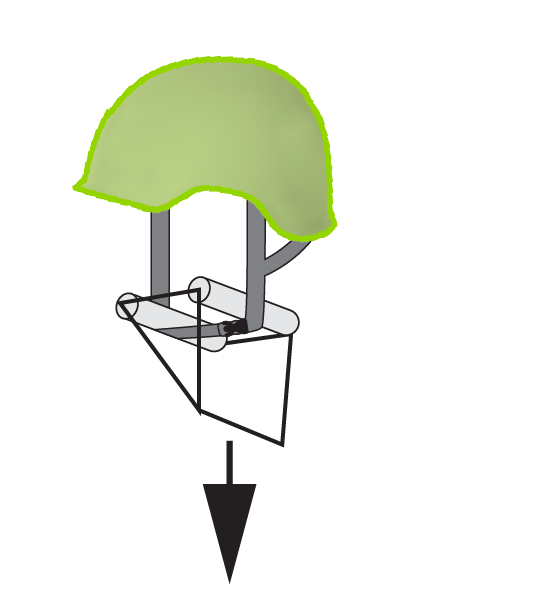
TYPE 2
TYPE 2
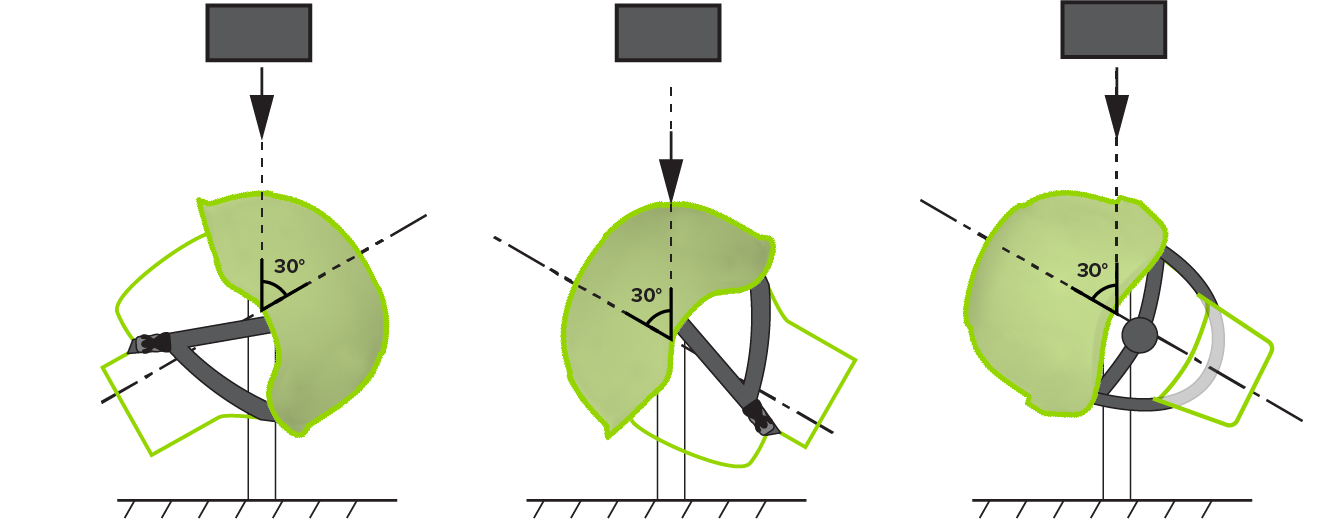
TYPE 2
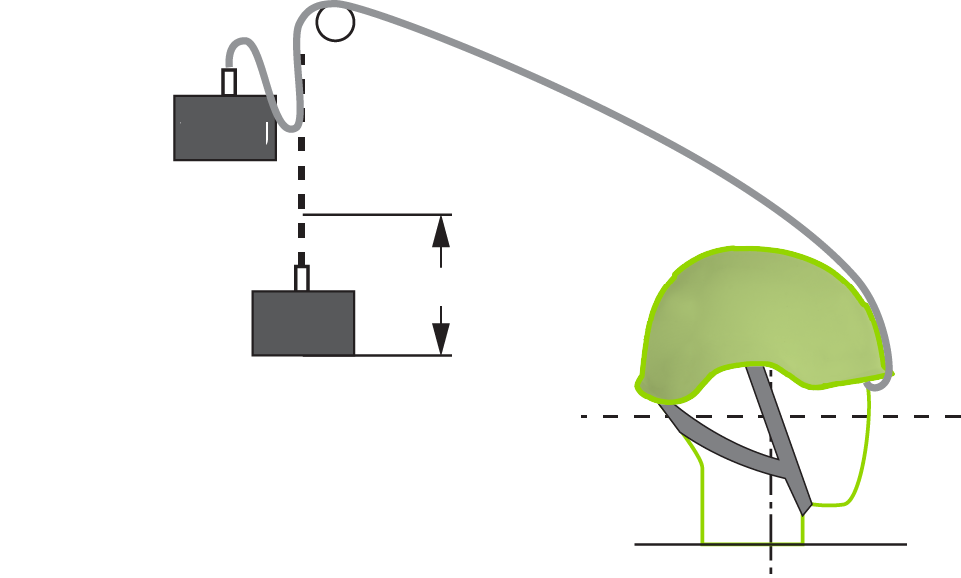
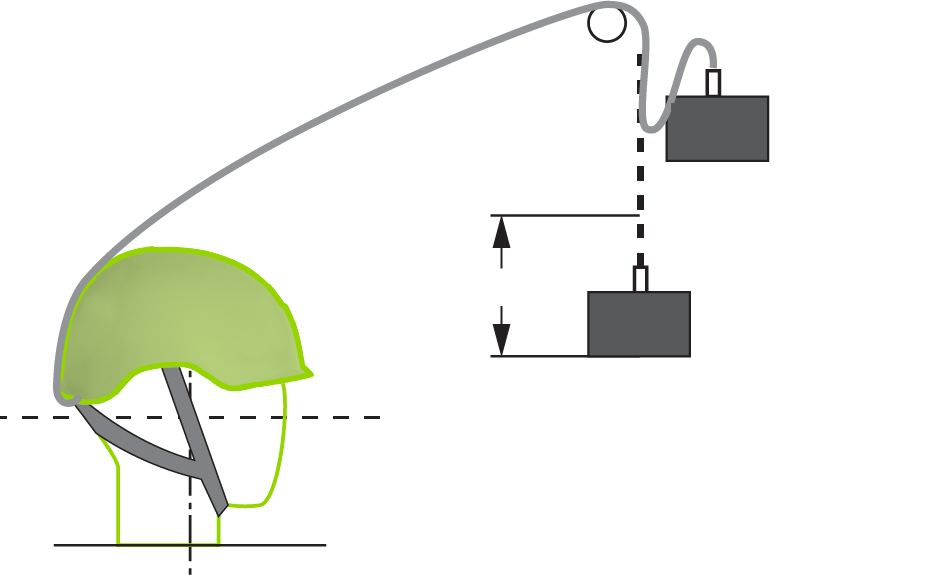
TYPE 1
- Resistance to ignition NEW
- Penetration of the shell via ventilation holes NEW
- Ergonomics test NEW
- Sizing NEW
TYPE 2
- Resistance to ignition NEW
- Penetration of the shell via ventilation holes NEW
- Ergonomics test NEW
- Sizing NEW
COMPARISON CHARTEN 397:2012 VS. EN 397:2025/AC:2025
X = required by the standard · — = not required
| EN 397:2012 | EN 397:2025/AC:2025 | ||
|---|---|---|---|
| N/A | TYPE 1 | TYPE 2 | |
| PHYSICAL REQUIREMENTS | |||
| 4.1.2General | X | X | X |
| 4.1.3Materials and Design | X | X | X |
| 4.1.4Penetration of the Shell via Ventilation Holes | — | X | X |
| 4.1.5Sizing | — | X | X |
| 4.1.6Ergonomics | — | X | X |
| PERFORMANCE REQUIREMENTS | |||
| 4.2.1Shock Absorption On-Crown Impacts | X(49 J) | X(49 J) | X(49 J) |
| 4.2.2Shock Absorption for High-Energy On-Crown Impacts | — | — | X(98 J) |
| 4.2.3Shock Absorption for Off-Crown Impacts | — | — | X(24 J) |
| 4.2.4Resistance to Penetration | X(29 J) | X(29 J) | X(29 J) |
| 4.2.5Chinstrap Strength Release | X(150÷250 N) | X(>150 N) | X(>500 N) |
| 4.2.5.3Retention System Effectiveness | — | — | X |
| 4.2.6Resistance to Ignition | — | X | X |
X = required by the standard · — = not required
PHYSICAL REQUIREMENTS
4.1.2General
- EN 397:2012
- X
- TYPE 1
- X
- TYPE 2
- X
4.1.3Materials and Design
- EN 397:2012
- X
- TYPE 1
- X
- TYPE 2
- X
4.1.4Penetration of the Shell via Ventilation Holes
- EN 397:2012
- —
- TYPE 1
- X
- TYPE 2
- X
4.1.5Sizing
- EN 397:2012
- —
- TYPE 1
- X
- TYPE 2
- X
4.1.6Ergonomics
- EN 397:2012
- —
- TYPE 1
- X
- TYPE 2
- X
PERFORMANCE REQUIREMENTS
4.2.1Shock Absorption On-Crown Impacts
- EN 397:2012
- X(49 J)
- TYPE 1
- X(49 J)
- TYPE 2
- X(49 J)
4.2.2Shock Absorption for High-Energy On-Crown Impacts
- EN 397:2012
- —
- TYPE 1
- —
- TYPE 2
- X(98 J)
4.2.3Shock Absorption for Off-Crown Impacts
- EN 397:2012
- —
- TYPE 1
- —
- TYPE 2
- X(24 J)
4.2.4Resistance to Penetration
- EN 397:2012
- X(29 J)
- TYPE 1
- X(29 J)
- TYPE 2
- X(29 J)
4.2.5Chinstrap Strength Release
- EN 397:2012
- X(150÷250 N)
- TYPE 1
- X(>150 N)
- TYPE 2
- X(>500 N)
4.2.5.3Retention System Effectiveness
- EN 397:2012
- —
- TYPE 1
- —
- TYPE 2
- X
4.2.6Resistance to Ignition
- EN 397:2012
- —
- TYPE 1
- X
- TYPE 2
- X
Info: marketingsafety@kask.com